
Starting Out in This Field
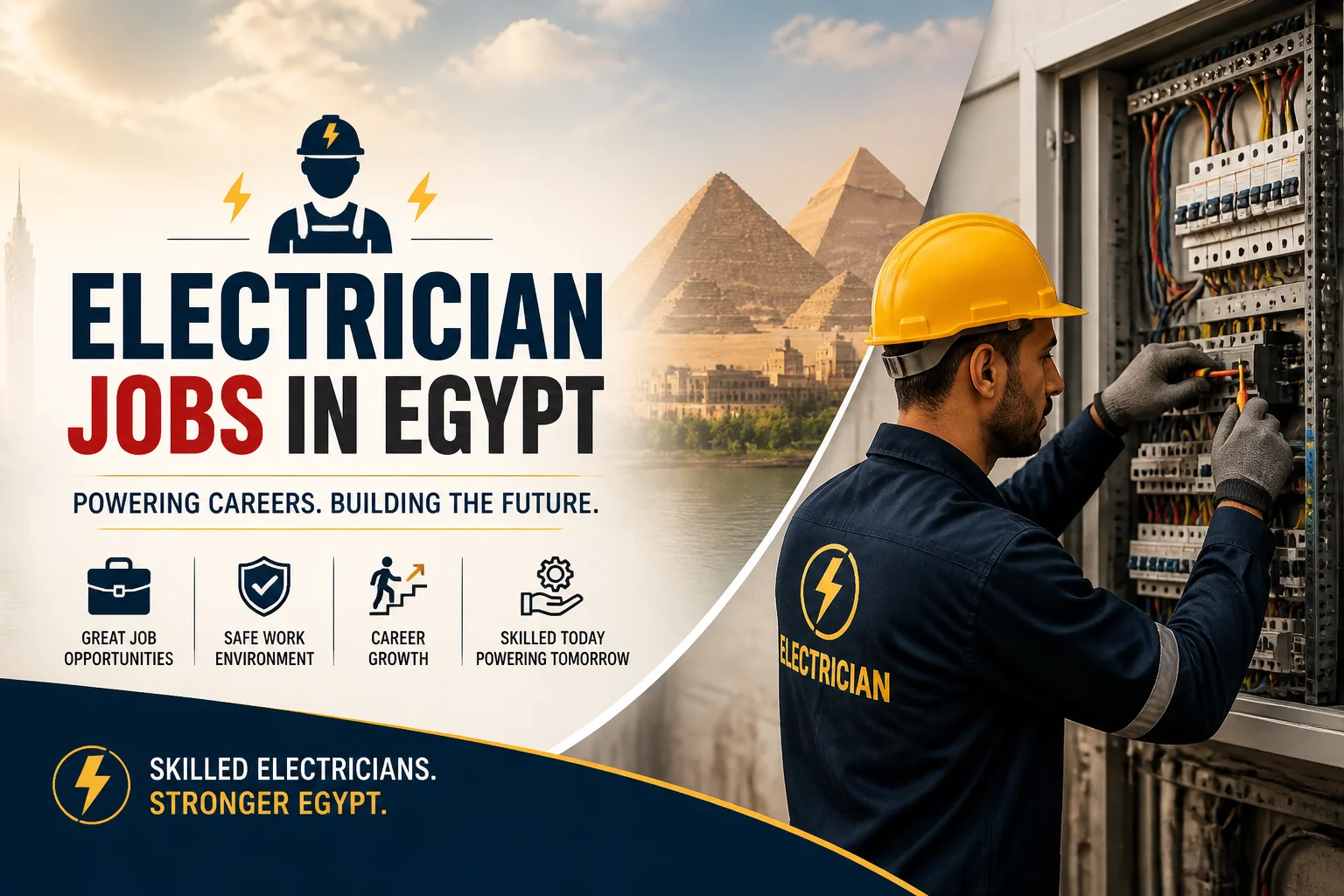
Electrician jobs in Egypt aren't what they used to be. Back when I first got into this, most folks just learned from family or a small workshop in their neighborhood. Now things have changed a bit with more construction popping up everywhere from Cairo to the new cities down south.
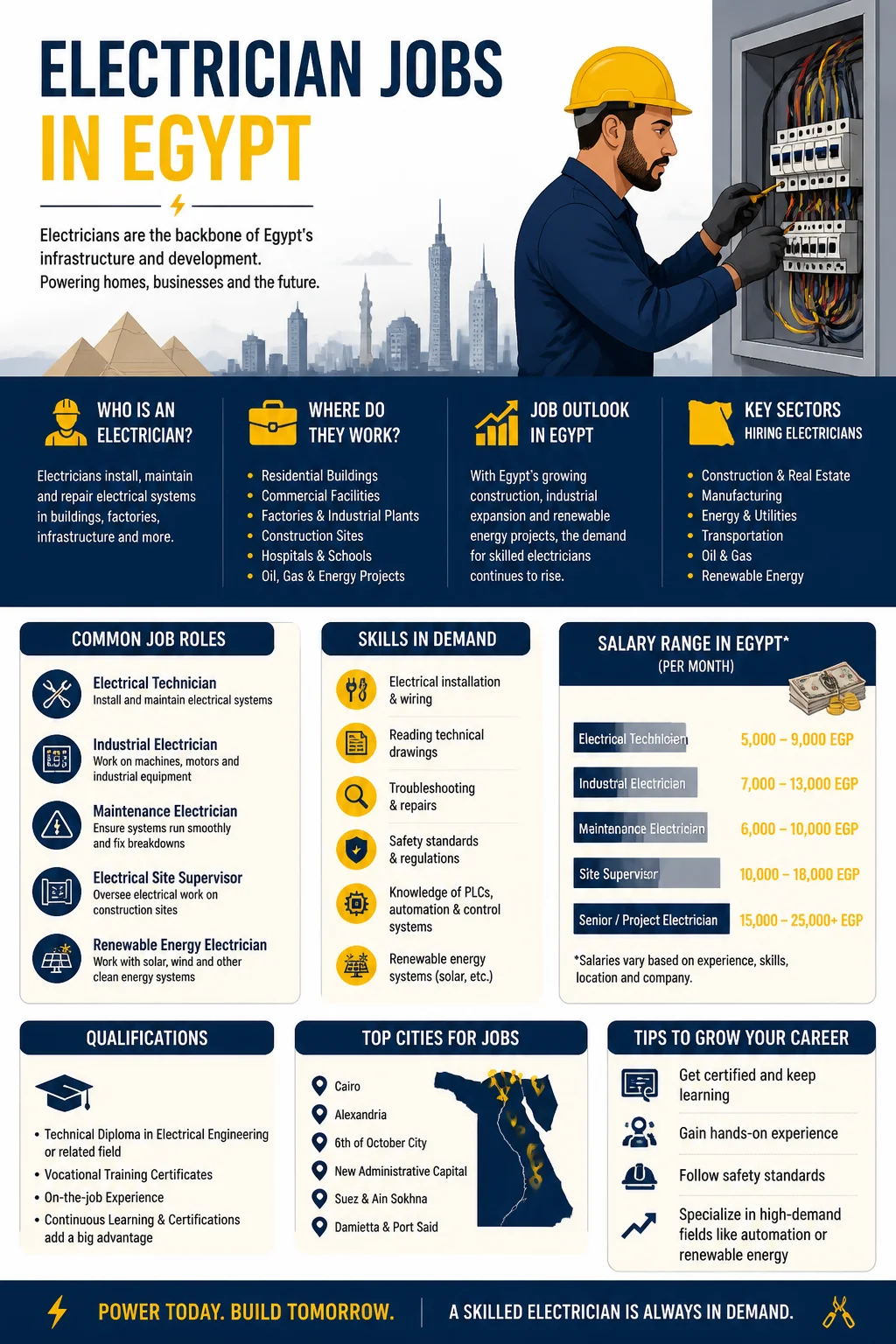
Pay can vary a ton depending on where you land. In bigger projects around Cairo you might pull 8k to 15k EGP a month once you're solid. Smaller residential stuff in Alexandria or Mansoura often starts lower but the hours feel more flexible sometimes.
Skills that actually matter day to day
It's not just about wiring lights. You need to know how to read blueprints quick, handle modern stuff like smart panels, and stay safe around high voltage. From what I've seen, guys who can fix generators or do basic solar setups get called first these days.
Honestly speaking, communication helps too. Clients want someone who explains why their fuse keeps blowing instead of just replacing it fast. And don't even get me started on dealing with old buildings in downtown areas – those hidden wires can surprise you.
- Basic troubleshooting on site
- Knowing Egyptian electrical codes inside out
- Handling both residential and small commercial jobs
- Staying current with energy efficient options
Thing is, experience beats any certificate a lot of the time. I know plenty of guys who never finished formal training but built solid reputations through word of mouth.
Where the work actually shows up
Construction sites in the new capital keep hiring. Hotels and resorts along the Red Sea need steady maintenance crews too. Some factories outside Cairo look for shift electricians when they expand lines.
Real talk though – Facebook groups and local WhatsApp communities often post openings faster than big job sites. Ask around at supply shops in your area. They hear about projects before anyone else does.
Big difference if you're willing to travel. Some contracts cover housing and food when they send you to Upper Egypt or the western desert spots.
Training options that don't waste your time
Technical institutes in Cairo and Alexandria still offer solid programs. A few private centers now teach solar and EV charger installs which feels smart for the future. Short courses on safety and first aid help when you apply to bigger companies.
Not gonna lie, some online videos help fill gaps but nothing replaces hands-on work with someone experienced. Apprenticeships under a master electrician still work best in my experience.
You'll want your own basic tools early on. Multimeter, wire strippers, good insulated gloves. Clients notice when you show up prepared.
Pay realities and side gigs
Starting out expect 5k to 7k while you learn. After a year or two of consistent work it jumps. Overtime on big sites adds up quick during peak seasons.
Some guys run their own small services on weekends. Fixing home issues or installing ceiling fans brings extra cash without quitting the main job. Just watch out for burnout.
Taxes and insurance feel messy at first. Once you're registered properly it opens doors to bigger contracts though.
Common headaches on the job
Getting materials on time drives everyone crazy. Import delays hit hard sometimes. Weather in summer makes outdoor work rough after noon.
Dealing with clients who want cheap fixes that won't last. Learning to say no politely saves headaches later.
Competition stays high in popular areas. Standing out means showing up on time and doing clean work every single time.
Future looks decent with all the green energy talk. Solar farms and wind projects need skilled hands. Learning those basics now puts you ahead.
Stay safe out there and keep learning new tricks. The work never really stops in this line.